
The Digital Youth Project

Times indeed have changed!

As the world struggles to manage a global crisis, the effect of the hard reset on the universe has changed the way we will do things forever. Prerequisites for sustenance will surpass vocational and entrepreneurship skills.

Digital literacy is necessary for survival in a digital ecosystem, one which encompasses businesses that sell goods and services via the internet and digital platforms that connect spare capacity and demand, as defined by the European Commission.

Digital Youth Project hero
The Youth Development Centre

Digitalization is an empowerment tool

A digital youth is a young person who can carry out tasks with a computer.

Digital EconomyDigital LiteracyDigital IndustrializationBuildIT / GProjects

The Concept of the Digital Youth

Who is the digital youth?

A digital youth is a young person who can carry out tasks with a computer. Digitalization is an empowerment tool which aids the person in achieving goals easier and faster.

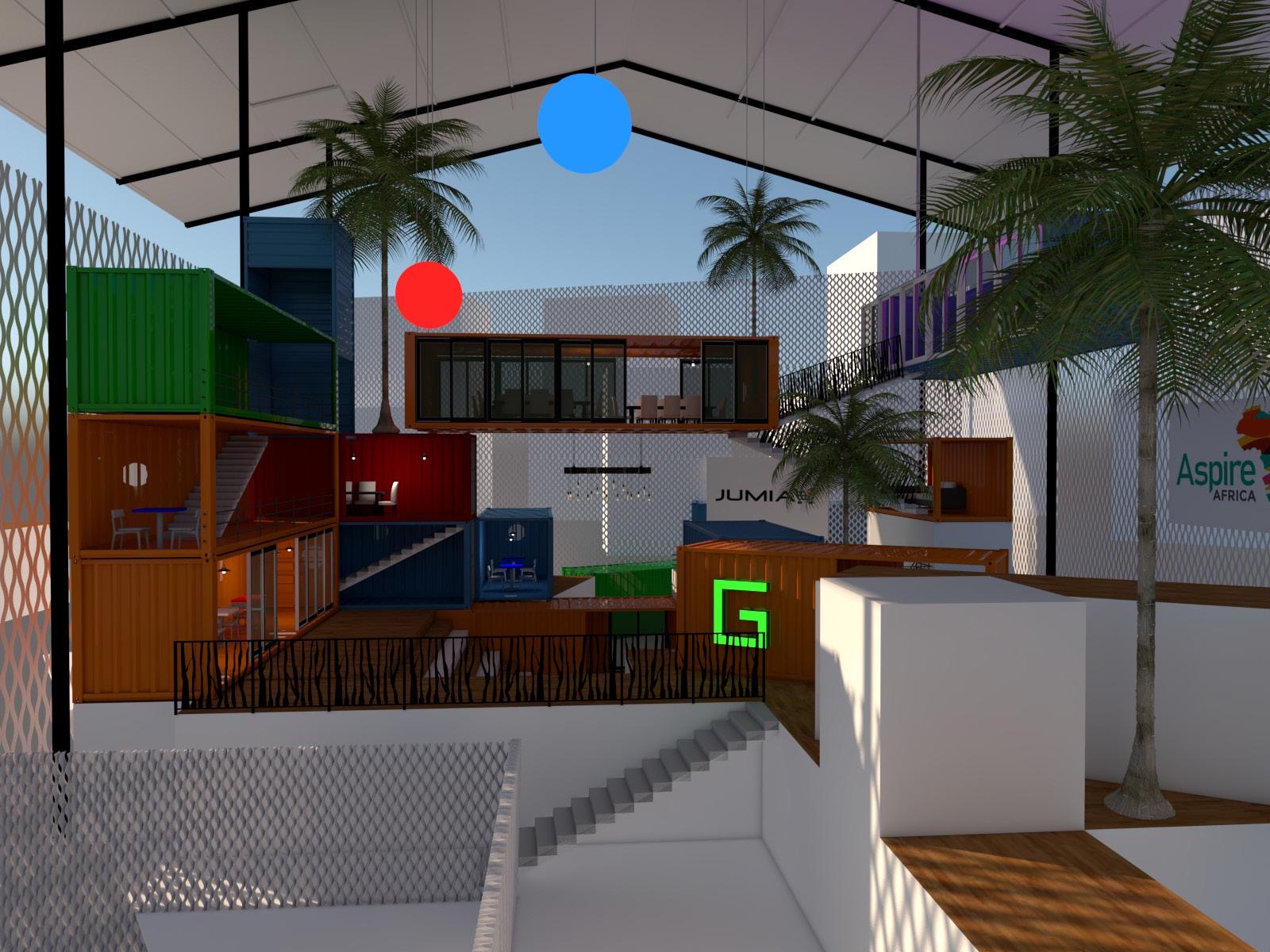
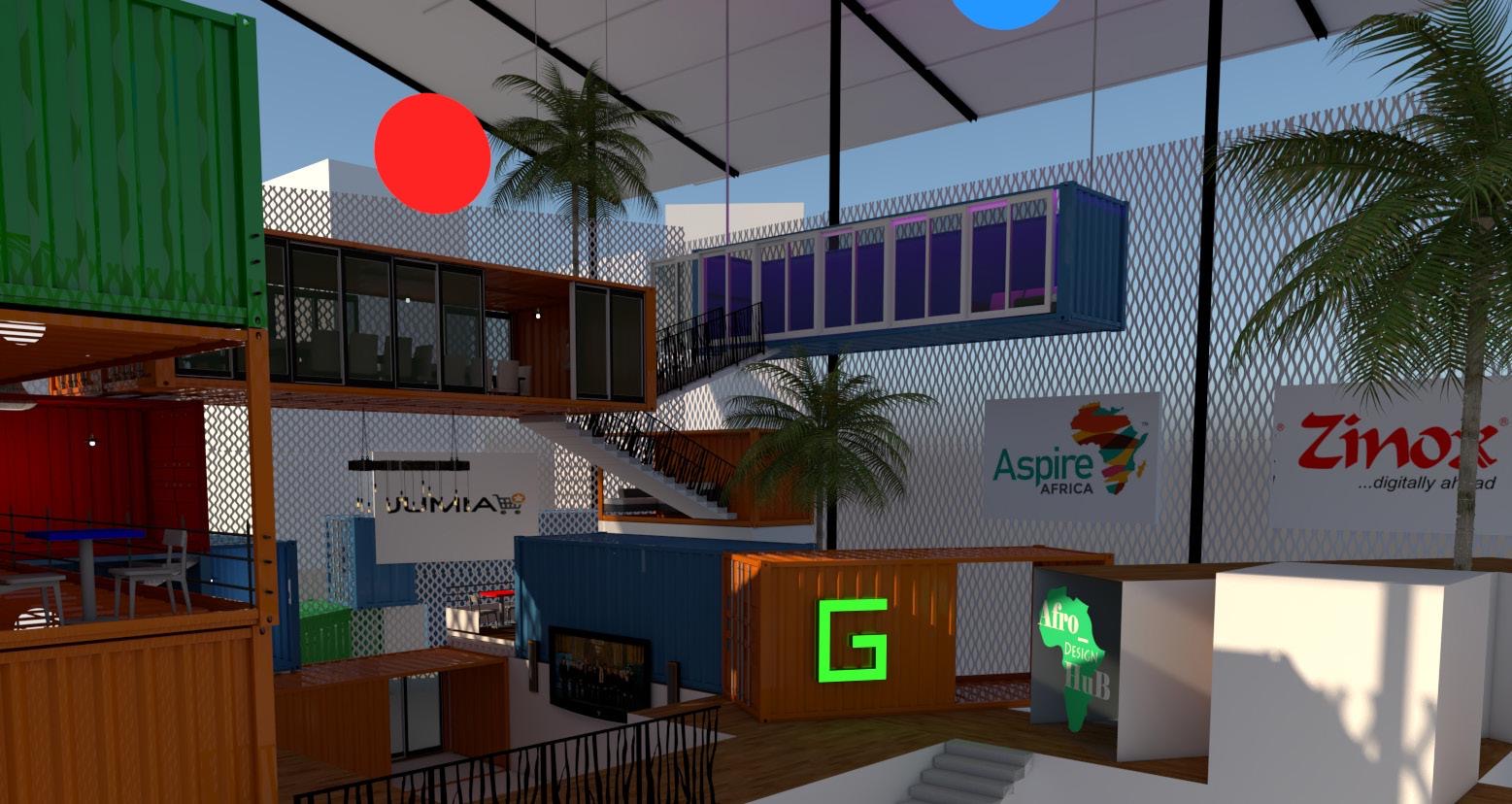
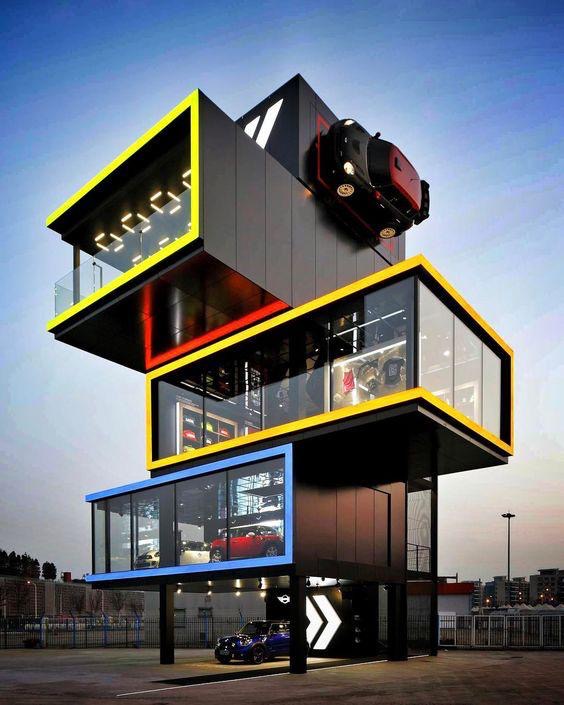
Container-inspired Youth Development Centre design concept

Design Concept

To achieve the 1 and 0 effect, a single module has to be selected and combined in different ways to create an effect.

Imo Geographical Advantage

OwerriDIGITAL HUBEnuguEducation & InnovationOkigweLocal DevelopmentUmuahiaRegional CollaborationAbaEnterprise & ManufacturingPort HarcourtIndustry & EnergyYenagoaSouth-South LinkagesOnitshaCommerce & Trade

Imo State has a similar DNA to the UAE, and Owerri to Dubai. Leveraging on geographical positioning in the South-East, through recovery and optimization of already existing physical and intellectual infrastructure, the economy can be reconstructed and dormant revenue generators rehabilitated through youth development.

The Youth Development Centre

Designed to identify, develop and empower youth in various sectors of the economy.

The youth development program is designed to identify, develop and empower youth in various sectors of the economy. The aim of this program is to project Imo State as a self-sustaining economy which will serve the entire South-East region. The program is interdependent and multi-beneficial, cutting across different affairs of the state.

This program will directly impact the Internally Generated Revenue of the state by increasing the quality and quantity of exportable products and services the state has to offer to its border states.

G Initiative was conceived, developed and refined in Dubai, United Arab Emirates, over the past 15 years.

The Digital Literacy Project is an initiative of Aspire Africa and G Projects in conjunction with Imo State Government and various training partners.

Aspire Africa

Aspire Africa

G Projects

G Projects

Government of Imo State

Government of Imo State

Digital Industrialization

Digitalization is an empowerment tool.

While it is true that digitalization will be an added advantage in the economy and daily lives, it serves only as a catalyst in the reaction. Strong key players in the process of reviving and stimulating an economy, combined with digitalization of processes, will boost the economy.

How a youth moves through the ecosystem

Digitalization aids the person in achieving goals easier and faster.

1

Discover Talent

Identify youth potential.

2

Build Digital Literacy

Core digital skills.

3

Incubate & Research

Develop ideas and solutions.

4

Create & Design

Creative hub and design district.

5

Manufacture & Produce

SME park and production.

6

Market & Sell

Marketplace and e-commerce.

7

Access Opportunities

Jobs, enterprise and growth.

Pathways opened by the ecosystem

Creative & Design Pathway

Creative tools, digital content and design practice.

Creative Hub

Design District

Enterprise & SME Pathway

Idea incubation, product development and business growth.

Incubation Hub

SME Park

Construction & BuildIT Pathway

Vocational training, certified craft and job access.

Building Academy

BuildIT Access

Public Service Pathway

Digital tools and performance systems for service delivery.

Balanced Scorecard

Service Tools

Sector Growth Pathway

Skills connected to key sectors and market growth.

Sector Pathways

Market Access

Skills

Built today

Opportunities

Opened through the ecosystem

Impact

Generational change

Components of the Youth Development Centre

Eight integrated components.
One transformational ecosystem.

01
Premier Component

The Incubation Hub

The incubation hub is a virtual and physical space where enrolled and registered youth can have access to unlimited resources such as an e-library, exchange programs, master classes, training courses, inspiration and certification.

Ideas will be generated, shared, criticized and developed. Viable ideas will be evolved and guided in the right direction.

Latest technology, equipment and gadgets will be available to enable the process. Registered members of the hub and trainees alone will gain access to the database and peers from all over the globe. Developed ideas will evolve into practical sessions, experimentation and eventually projects/products.

Youth Development Environment

Youth Development Environment

A visual anchor for the ecosystem where learning, production, creativity and enterprise meet.

02

The Industrial Technology SME Park

The SME or enterprise park is a scalable module of factories. Products such as shoes, clothes, cosmetics and related goods will be manufactured here after leaving the R&D department. Manufactured products can be bought directly from the warehouse or showroom, or ordered online through the e-commerce marketplace. Registered trainee manufacturers will be able to use the facilities after passing out based on a profit-sharing formula.

03

Creative Hub / Design District

The creative hub will bring together young designers with passion for creativity. Design charrettes and brainstorming sessions will be held, with training in modern-day software and digital skill acquisition including photo processing, 3D printing, animation, virtual reality and 3D modelling. All sponsorship partners will have access to this valuable resource pool.

04

The Marketplaces

The marketplace connects products, services and ideas emerging from the Youth Development Centre to real buyers through showroom access, warehouse distribution and e-commerce channels.

Interactive Campus Environment

Interactive Campus Environment

A central visual moment for the centre’s learning, innovation and creative production environment.

05

Vocational Skill Centre

The Vocational Skill Centre provides hands-on training for skilled and unskilled youth, helping them acquire practical abilities that can lead to employment, enterprise and certified craftsmanship.

06

Data Bank

The Data Bank supports the ecosystem by keeping organized records of registered youth, trainees, skills, project ideas, progress, certifications and available opportunities for smarter planning and placement.

07

Think Tank

The Think Tank serves as the idea and policy engine of the centre, bringing together research, strategy, mentorship and sector knowledge to guide solutions that can stimulate the economy.

08

Sports Complex

The Sports Complex supports youth development through wellness, discipline, teamwork and recreation, creating a balanced environment where physical development supports learning and productivity.

The 20ft containers are the module. Multiple containers can be combined in various ways to achieve design space requirements. Design considerations will be made towards achieving some of the SDGs.

Design Concept

Digitalization is purity and simplicity at their maximum potential.

The design concept of the Youth Development Centre draws inspiration from binary code, with the digits represented by mass and void respectively. To achieve the 1 and 0 effect, a single module has to be selected and combined in different ways to create an effect.

The chosen module is the shipping container. Container construction has gained momentum in recent years, and the container is a durable space which can withstand weather conditions over long periods of time as a single module.

The Youth Development Program

The Digital Literacy Project.

The Digital Literacy Project is an initiative of Aspire Africa and G Projects in conjunction with Imo State Government and various training partners, which aims to train young people in digital skills, prepare them for the future of work and build an ecosystem of highly skilled young people in digital tools. This project will be anchored on a mix of virtual and real-life training sessions.

The Digital Literacy Project believes that with improvements in digital skills, digital connectivity and other core areas of digital development, Nigeria can fully unleash new economic opportunities, create jobs and transform people’s lives.

Vision

To develop a vibrant digital workforce by bridging the skills gap through digital literacy.

Mission

To create and sustain a digital ecosystem compatible with the new era. To provide policy backing for massive training of Nigerians from all walks of life in order to enable them obtain digital literacy and other digital skills.

Understanding

Understanding a Digital Economy

The digital economy has been defined in many ways by various individuals and institutions. The European Commission defines the digital economy as an economy that encompasses businesses that sell goods and services via the internet, and digital platforms that connect spare capacity and demand.

The World Economic Forum and the Group of Twenty define the digital economy as a broad range of economic activities comprising all jobs in the digital sector as well as digital occupations in non-digital sectors. In this policy document, we refer to digital economy as any aspect of the economy that is based on or driven by digital technologies.

Opportunity

The Challenge and the Opportunity

Nigeria is capturing only a fraction of its digital economic potential and will need to make strategic investments to develop a dynamic, transformative digital economy, according to a new World Bank assessment.

As the biggest economy in Africa with one of the largest populations of young people in the world, Nigeria is well-positioned to develop a strong digital economy, which would have a transformational impact on the country.

Through innovations and investments, the Nigerian economy can harness digital data and new technologies, generate new content, link individuals with markets and government services, and roll out new, sustainable business models.

Digital Skills

Closing the Digital Skills Knowledge Gap

Nigeria’s digital-led strategy to become more competitive in the 21st century global economy may have come under serious threat. Acute shortage of digital skills is a major impediment for organisations willing to implement the transition to a digital economy.

With technology evolving faster than the rate at which digital skills are being developed, experts warn that without urgent up-skilling, Nigeria risks being left behind in the digital skills space.

The capabilities and skills required to use various forms of digital technologies remain limited to a small segment of the population. Low enrollment in basic education and the poor quality of that education, coupled with a lack of digital skills in curricula, is segmenting digital skills into a slim share of the population, excluding the poorest from the benefits of the digital world.

Digital Literacy Delivery Plan

Objectives and implementation working as one plan.

The project objectives define what the Digital Literacy Project is trying to achieve, while the implementation strategies explain how the programme will be delivered across schools, public sector institutions, communities and training partners.

Project Objectives

01

To integrate digital literacy and skills into the national education curriculum at all levels.

02

To support training and capacity building among public sector employees in the development and use of digital tools and applications to improve the delivery of government services.

03

To create a pool of Nigerians with digital skills validated by globally recognized certifications.

04

To bridge the gap between academia and industry and to lower the access barrier to digital tools for citizens.

05

To build a digital industrial sector and increase the internally generated revenue of the state to achieve a self-sustaining state.

Implementation Strategies

01

Partner with relevant institutions to promote globally competitive trainings that focus on digital technologies.

02

Integrate digital literacy and skills development into the curriculum of schools at all tiers of education.

03

Provide support for digital literacy and skills development for Nigerians across the country and in various sectors of the economy.

04

Develop a digital literacy and skills development framework that will lead to trainees acquiring globally recognized certifications.

05

Ensure that digital literacy becomes a basic requirement for public sector employees.

06

Facilitate the training and retooling of teachers and facilitators at all levels, to enable them serve as trainers in the digital literacy and skills programme.

07

Promote the development and distribution of instructional materials in electronic format.

08

Partner with the private sector to make it easier for Nigerians from all walks of life to acquire digital tools.

09

Support the ‘catch-them-young’ programmes to create an enabling environment for Nigerians to become conversant with digital skills from a young age.

10

Encourage the states and local governments to support the goal of 95% digital literacy levels.

11

Support relevant mentorship models for experience sharing, skills and confidence building.

12

Support the creation of rural coding academies to meet the training needs of rural dwellers.

13

Increase the synergy between all institutions that have a mandate related to education in the digital literacy and skills programme.

Our Focus. Their Future.

Sectors of
the Economy.

Across these vital sectors, G Initiative Digital Youth Project is building tomorrow’s workforce through industry-aligned training, enterprise exposure and real-world experience.

7

Key Sectors

Targeted for impact and growth.

1

Mission

Empowering youth. Transforming industries.

Our Impact Areas
01
Tailoring: school uniforms, bags, etc.Shoe making: standardized school sandals and shoes, belts.Jewelry making.Cosmetics.
02
03
04
05
06
07

Specialized Training Tracks

Practical training pathways for construction and public service performance.

This part of the project connects hands-on construction skills, artisan development and public service performance training to the broader digital youth ecosystem.

The Building Academy

An institute designed to improve the quality of building and construction practices in the state.

  • The success of the program will be measured by the quality of construction across the state.
  • All stages of the building process will be taught to educated, skilled and unskilled candidates.
  • Furniture production, welding, finishes, landscaping, building material production, etc. will be courses in the academy.
  • Candidates that complete the whole program will be issued certificates.

The Master Craftsman Program

This program will be held in the Building Academy. The Master Craftsman Training Program is a leadership training program designed for intermediate to professional artisans and technicians. Candidates’ skill sets will be refined and upgraded; they will be trained to educate and transfer their already developed skills to amateur and entry-level candidates.

At the end of the training, certificates will be given to graduates. Every artisan and technician in the state will pass through the training. Progress will be monitored and a ranking system will be applied.

Only registered and active members will be given an artisanal license and qualify for loans to equip themselves. Contractors in the state will be mandated to use certified artisans and pay a fee towards the program before being given approval to commence projects.

Public Service Trainings

Balanced Scorecard as a tool for Performance Management.

The Balanced Business Scorecard is a framework to help organizations clarify their vision and strategy and translate them into operational objectives that drive both performance and behavior.

For the benefit of effective delivery, this program uses a lively mixture of theory and work on public sector case studies to help delegates gain a thorough understanding of the benefits and challenges of implementing a Balanced Scorecard in the public sector.

Describe the structure and typical content of a public sector Balanced Scorecard.
Build a Balanced Scorecard for a public sector organization.
Use a Balanced Scorecard in a management-for-results environment.
Understand how to use the Balanced Scorecard to align operational activity with strategy.
Understand the change management implications of implementing a Balanced Scorecard.
From training to opportunity
BuildIT / GProjects

The Future of Construction & Trade.

Graduates of the Building Academy can transition into BuildIT/GProjects, where certified skills connect to visibility, trade access, supplier networks and real-world construction opportunities.

01

Train

Build practical construction and trade skills through the Building Academy.

02

Certify

Earn credentials that communicate trust, capability and readiness.

03

Connect to BuildIT

Move from training into projects, suppliers, trade access and real opportunities.

BuildIT Platform Capabilities

Builders Market

Access ready-to-build plans, material vendors and escrow-backed trade.

Professional Job Pool

Connect verified artisans and contractors to real project opportunities.

Project Portfolio

Track budgets, timelines, documents and project progress in one place.

Supply Chain Access

Support material sourcing, logistics and supplier networks from factory to site.

Public Service Training Details

Course Outline

  • Performance measurement.
  • Outcomes and performance drivers.
  • Structure of a Balanced Scorecard.
  • Target setting.
  • Performance measures for the four perspectives.
  • The key process steps to develop a Balanced Scorecard.
  • A timetable for development and involvement.
  • Identifying and rationalizing strategic initiatives.
  • Assessing and managing risks.

Target Group and Key Assessment Methods

0%

Attendance

0%

Written Test

0%

Group Presentation

Target Group: All staff.

The sessions would essentially be lectures, discussions and scenario analysis backed with audio-visual materials used to facilitate learning.

Supporting Sustainable Development Goals

A digital future that creates inclusive growth.

The Digital Youth Project aligns with the Sustainable Development Goals that directly connect to education, work, innovation, inclusion, production, institutions and partnerships.

Relevant Global Goals

1

No Poverty

Skills, employability and enterprise pathways help young people access income-generating opportunities.

4

Quality Education

Digital literacy, practical learning, certifications and mentorship strengthen future-ready education.

5

Gender Equality

Inclusive access to training helps girls and young women participate in the digital and creative economy.

8

Decent Work & Economic Growth

The project prepares young people for work, entrepreneurship, productivity and economic participation.

9

Industry, Innovation & Infrastructure

Incubation, technology parks, SME production and innovation systems support industrial growth.

10

Reduced Inequalities

Lowering the access barrier to digital tools helps more young people take part in modern opportunity.

11

Sustainable Cities & Communities

The Youth Development Centre supports regional collaboration, city growth and stronger local communities.

12

Responsible Consumption & Production

Local production, design, SME manufacturing and market access encourage stronger value chains.

16

Peace, Justice & Strong Institutions

Public service training and performance management strengthen institutional capacity and service delivery.

17

Partnerships for the Goals

The ecosystem depends on collaboration with government, Aspire Africa, G Projects and training partners.

The Digital Literacy Project

To create and sustain a digital ecosystem compatible with the new era.